WHAT CAMTS ACCREDITATION MEANS FOR PATIENTS IN THE NORTH
ACCESS Air Ambulance is accredited by the Commission on Accreditation of Medical Transport Systems (CAMTS). CAMTS is an independent, non-profit organization that evaluates medical transport programs against rigorous standards focused on patient care and safety. Advanced Medical Solutions (AMS) is a key partner within ACCESS and delivers care within the accredited program.
What is CAMTS?
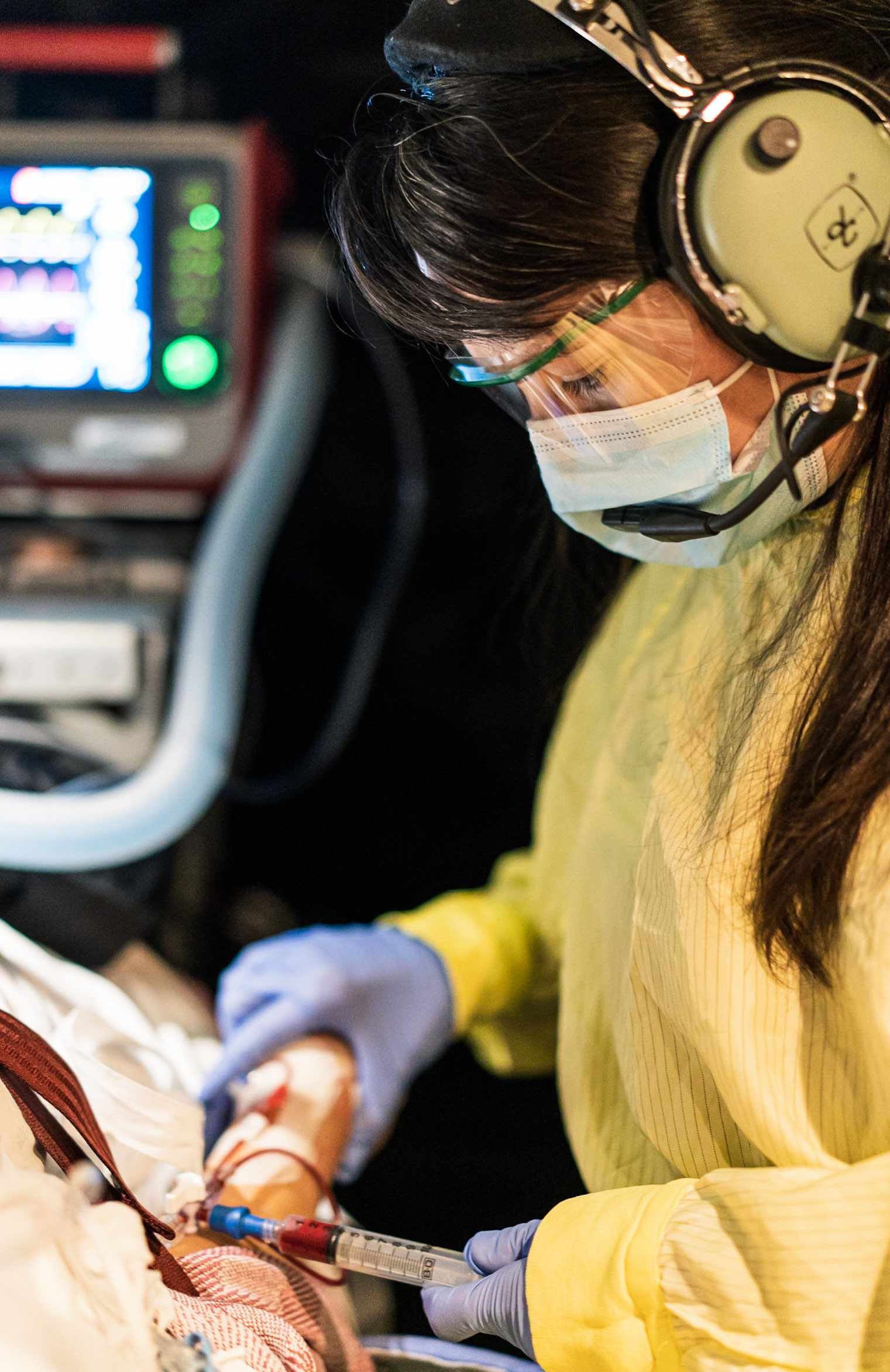
CAMTS is a quality and safety “check-up” done by external experts. They review how we care for patients in the air and on the ground: clinical protocols, crew training, communication, safety management, and how we continually improve. Their standards cover fixed-wing and rotary-wing air ambulance as well as ground critical care and ALS/BLS services.
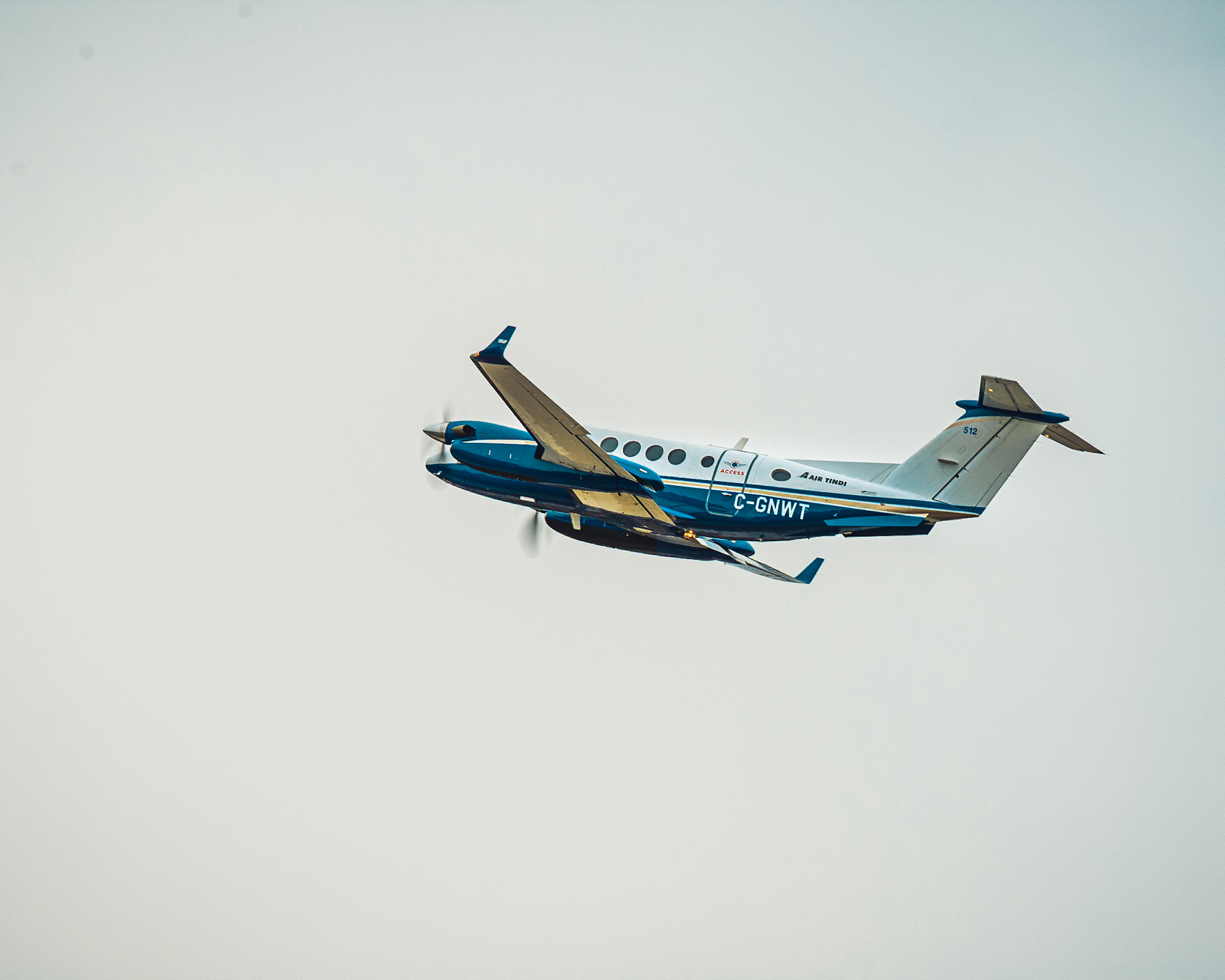
ACCESS Air Ambulance (Yellowknife, NWT) is listed by CAMTS as an accredited fixed-wing program. The current accreditation is valid through July 13, 2027.
Why This Matters in NWT & Nunavut
Long distances, extreme weather, and limited local hospital capacity make safe, reliable medical transport essential. CAMTS accreditation confirms that Northern patients receive care and transport that meet national best practices – recognized by health systems and governments.
CAMTS Standards
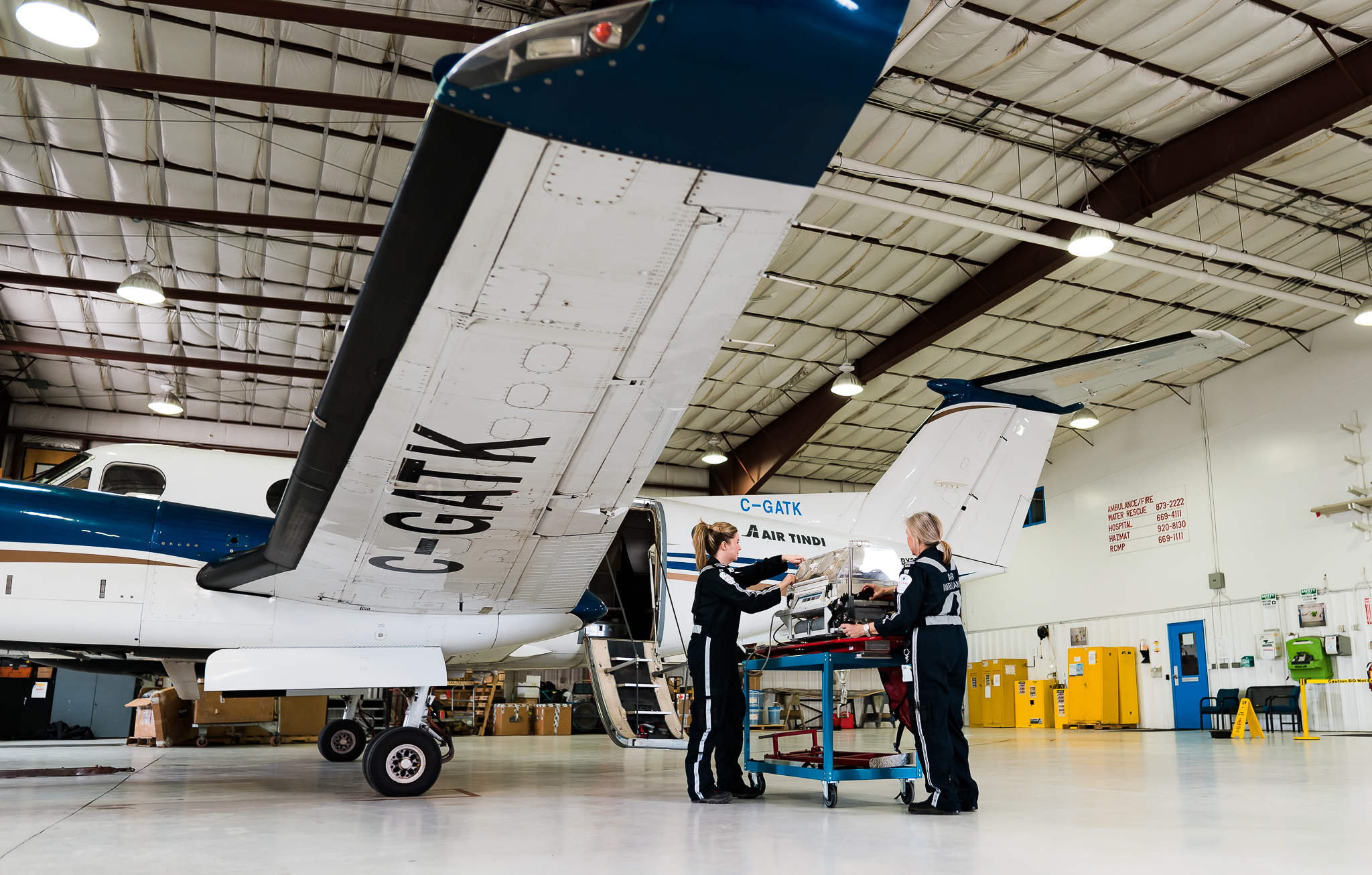
CAMTS standards look at how a program is managed and staffed, how quality and safety are measured and improved, and how care is delivered at BLS, ALS, Critical Care, or Specialty Care levels. They also include requirements for communications, fixed-wing operations, pilot qualifications, maintenance practices, and fatigue risk management. For fixed-wing programs, there are specific expectations for bedside-to-bedside care coordination, crew rest, and consistent flight following. Quality and Safety Management must be documented, tracked, and reviewed with loop closure so issues lead to real improvements.
How CAMTS Accreditation Improves Your Care
- Consistent clinical standards: Evidence-based protocols guide assessment, treatment, and hand-off, at altitude and on the tarmac.
- Qualified, continuously trained crews: Ongoing education and skills validation for flight clinicians and flight crews.
- Safety management on every flight: Formal risk assessment, fatigue management, incident review, and corrective action loops.
- 24/7 communications and coordination: Dispatch, flight following, and hospital coordination systems are evaluated for reliability and clarity.
Quality improvement you can measure: Programs track performance against defined quality measures and act on findings.
Our Most Recent CAMTS Review
CAMTS site surveyors completed a two-day accreditation evaluation of ACCESS Air Ambulance on June 12 and 13, 2024. The review examined patient care and program operations, including clinical protocols, crew training, safety management, communications, and aircraft operations. Since that visit, we’ve continued to strengthen our program by updating procedures, refreshing training, and tracking quality measures so patients across NWT and Nunavut receive consistent, safe transport.
For Patients and Families: What You Can Expect
When you or your loved one flies with ACCESS Air Ambulance, you’re supported by a program that is independently assessed to meet demanding standards for patient care, safety, and reliability – from transportation to treatment facility. That commitment aligns with AMS’s promise of patient-focused healthcare.